The growing reliance on digital storage has made safeguarding information more critical than ever. Cloud technology offers unmatched convenience, scalability, and accessibility, but it also brings valid concerns about privacy and security. Businesses and individuals alike must understand how their data is stored, encrypted, and protected against potential threats. As cyber risks evolve, so must the strategies to mitigate them. In this blog, we’ll explore the security framework behind cloud storage, potential vulnerabilities, and best practices to keep your data protected.
Key Takeaways
- Effective cloud storage security relies on strong encryption, strict access controls, and continuous monitoring to protect sensitive data from unauthorized access and cyber threats. Most cloud providers implement robust security protocols to safeguard data.
- Key risks associated with cloud storage include cyber attacks, data breaches, insider threats, and compliance challenges, with significant financial losses for businesses resulting from such incidents.
- Adopting best practices such as implementing strong access controls, regular security audits, and choosing a reputable cloud storage provider is essential for mitigating risks and ensuring data protection.
Understanding Cloud Storage Security
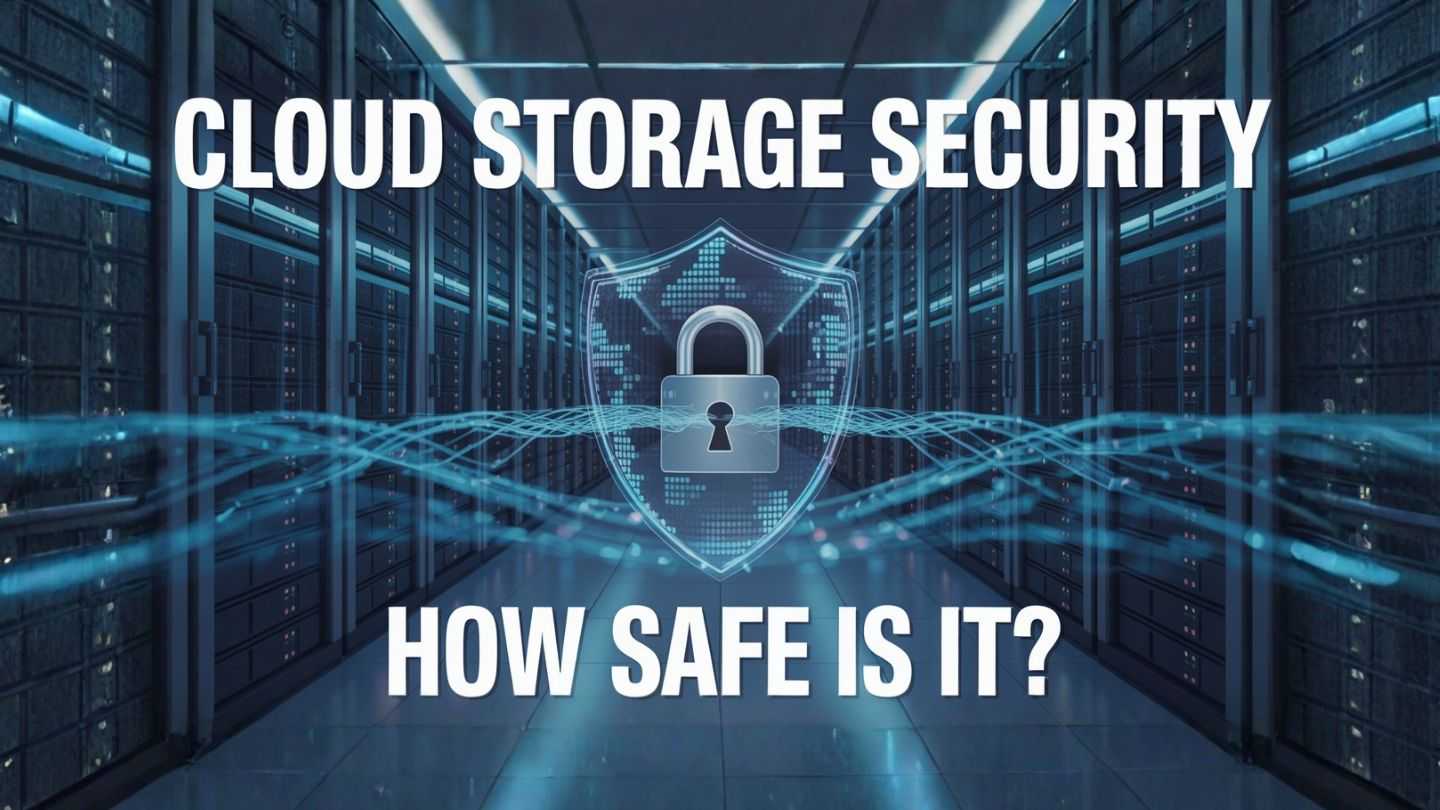
Cloud storage security is the practice of safeguarding data stored in the cloud from unauthorized access, theft, deletion, or corruption by leveraging a combination of processes and technology. Cloud storage security involves various technologies and practices to protect data against theft, unauthorized access, or corruption. Robust cloud storage security is essential to ensure sensitive data remains confidential and. Data is stored on remote servers managed by a cloud service provider, which hosts and manages the infrastructure for users.
Major cloud storage providers employ a range of security measures to protect data. These measures include:
- Powerful encryption to secure data both in transit and at rest
- Strict access controls to limit who can access the data
- Multi-factor authentication to add an extra layer of security
- Decentralized storage across multiple servers
These security measures are designed to protect files stored in the cloud from cyber threats and unauthorized access.
Continuous monitoring of cloud storage is key to enhancing security. Tracking data interactions and enforcing data handling policies allows cloud providers to detect and mitigate potential security risks in real-time. This proactive approach helps in maintaining the integrity and confidentiality of data stored in the cloud. Data in the cloud can be accessed from different locations as long as there is an internet connection, providing flexibility and convenience for users.
Best Practices for Enhancing Cloud Storage Security

A comprehensive security plan is necessary to enhance cloud storage security. Best practices include:
- Strong access controls
- Encryption
- Regular audits
- Implementing multi-factor authentication
Educating employees about cloud security risks is crucial to prevent inadvertent data leaks through unapproved services. Employees should also be aware of the risks posed by cyber criminals, including phishing attempts from unknown senders, which can compromise sensitive data.
Professional cloud storage software with strong advanced security features and data protection solutions can provide an additional layer of security beyond typical cloud providers. Regular reminders and safety plans ensure secure cloud computing file storage use and protection against evolving threats. Ongoing cybersecurity awareness and training are essential for maintaining a secure environment. Additionally, understanding what scalability is in cloud computing is crucial for optimizing system performance, enabling businesses to adapt to growing data demands while maintaining operational efficiency and security.
Implementing Strong Access Controls
Strong access controls are fundamental to cloud storage security. Most data breaches originate from compromised or stolen credentials, underscoring the importance of strict access controls. Access controls define who can access and modify specific files, ensuring only authorized users can access and interact with data. Weak access controls can allow unauthorized users to gain access to sensitive data, putting your organization at risk. Furthermore, evaluating on-premise data storage vs. cloud data storage options allows organizations to implement the most effective strategy for data protection, compliance, and long-term digital resilience.
Multi-factor authentication adds an extra layer of security by requiring multiple forms of user identity verification, including two-factor authentication. This approach significantly reduces the chances of unauthorized access due to strong passwords that may be stolen.
Setting access permissions based on user identities and job roles further enhances security, allowing you to restrict access to sensitive and other data as needed.
Encryption and Key Management
Data encryption is vital for ensuring the confidentiality of sensitive information stored in the cloud. Encrypting data both in transit and at rest mitigates the risk of unauthorized access. Providers should implement strong end-to-end encryption protocols to protect data from potential threats.
Proper key management is also important. Encryption keys should be stored securely using a key management system. It is essential to manage the decryption key securely, as unauthorized access to the decryption key can lead to unauthorized decryption of protected data. This ensures that unauthorized access is prevented and data protection is maintained. These measures enhance the overall security of cloud data storage.
Regular Security Audits and Monitoring
Regular security audits and continuous monitoring are crucial for maintaining cloud storage security. Audits ensure access controls are properly configured and sensitive data remains protected. Continuous monitoring helps quickly identify and respond to security threats, minimizing the impact of incidents.
High-profile breaches, like Slack’s 2020 incident involving an exposed API token, underscore the necessity for regular monitoring and secure management of API tokens. These practices are crucial for maintaining the integrity and security of cloud storage systems.
Choosing the Right Cloud Storage Provider

Choosing the right cloud storage provider is critical to ensuring data security. Important factors to consider include:
- Evaluating a provider’s security protocols, including data encryption and incident response plans
- Assessing the underlying cloud infrastructure and the reputation of cloud service providers
- Compliance with industry standards
- A strong track record on security incidents
Organizations should be cautious about employees using unauthorized cloud storage services that may lack adequate security measures. For those using a private cloud, it is important to understand the unique security issues and vulnerabilities that may arise in these environments. Selecting a provider with robust security measures and a proven track record helps mitigate risks and ensure data protection.
Evaluating Provider Security Measures
Evaluating cloud storage providers’ security measures is crucial, as 82% of breaches in 2023 involved data stored in the cloud. Customers should choose services with proper encryption to mitigate the risk of data breaches. Physical security measures at data centers, like surveillance, biometric access controls, and physical access, are critical for overall security.
Reviewing the terms of service and security settings with your cloud storage service provider helps you understand potential risks and ensure proper security measures are in place. Multi-factor authentication and robust security practices further enhance data protection.
Reviewing Service Level Agreements (SLAs)
Understanding Service Level Agreements (SLAs) is crucial to ensuring data is adequately protected in the cloud. Organizations should review SLAs closely to verify compliance with industry standards and best practices.
SLAs should clearly define the data protection measures and incident response procedures the cloud provider will follow in case of a data breach or security incident.
Safeguarding Data in a Digital World
Ultimately, cloud storage security depends on the strength of encryption, access controls, and user awareness. While no system is completely immune to threats, leading cloud providers invest heavily in advanced protection protocols to safeguard sensitive information. By understanding potential risks and following best practices, users can leverage the cloud’s flexibility without compromising safety. The goal is to strike a balance between accessibility and security in an increasingly connected world.
At IntegriCom, we specialize in helping businesses implement reliable, enterprise-grade cloud services in Atlanta that prioritize data integrity and security. Our full solutions also encompass cybersecurity consulting, business phone systems, managed IT services, HIPAA compliance consulting services, and virtual CIO services to deliver end-to-end technology management. Our team ensures your organization’s digital assets are protected with robust encryption, proactive monitoring, and tailored IT solutions. Partner with us to strengthen your infrastructure, minimize risks, and experience peace of mind knowing your data is secure, wherever your business operates.
Frequently Asked Questions
How can I enhance my cloud storage security?
To enhance your cloud storage security, implement strong access controls, utilize encryption and effective key management, conduct regular security audits, and continuously monitor your systems. These measures will significantly bolster your data’s protection.
What should I look for when choosing a cloud storage provider?
When choosing a cloud storage provider, prioritize their security protocols, compliance with industry standards, and their history of security incidents, while also carefully reviewing the Service Level Agreements (SLAs). These factors are crucial in ensuring the safety and reliability of your data.
Why are real-world security incidents important to consider?
Real-world security incidents are crucial to consider as they reveal the significant repercussions of insufficient security measures and emphasize the necessity for strong security protocols. Understanding these incidents can guide organizations in enhancing their security practices.
What are the most common threats to cloud storage security?
The most common threats include data breaches, ransomware attacks, phishing scams, misconfigured cloud settings, and insider threats. These vulnerabilities can lead to unauthorized access, data loss, or exposure of sensitive information if not properly managed through encryption, access control, and monitoring.
How often should organizations conduct cloud security audits?
Organizations should conduct comprehensive cloud security audits at least twice a year or whenever significant infrastructure changes occur. Frequent auditing ensures compliance, identifies potential weaknesses, and allows proactive remediation of vulnerabilities before they can be exploited.