In today’s digital-first world, businesses face an ever-evolving landscape of cyber threats that can jeopardize sensitive data and operations. From phishing attacks to ransomware, even small vulnerabilities can lead to significant financial and reputational damage. As technology advances, so do the tactics of cybercriminals, making proactive protection more critical than ever. Organizations must stay vigilant and implement strong security measures to safeguard their infrastructure. In this blog, we’ll highlight the warning signs that indicate your business may need professional cybersecurity support.
Key Takeaways
- Frequent data breaches and increasing cyber threats highlight the urgent need for businesses to enhance their cybersecurity measures.
- Outdated software and a lack of multi-factor authentication significantly increase vulnerability to cyberattacks, emphasizing the importance of regular updates and secure access protocols.
- Employee training and effective network monitoring are vital for mitigating cybersecurity risks, as human errors and suspicious activities often lead to breaches.
Frequent Data Breaches
Human error frequently causes data breaches. Cyberattacks often exploit weak passwords, phishing, and other vulnerabilities that can be reduced through employee training. Educating staff on security awareness helps identify threats and protect sensitive information, turning employees into a frontline defense against cyber threats. Businesses that understand the different types of attacks outlined in common cybersecurity attacks can better anticipate potential breaches and implement stronger defenses.
Improved network visibility and real-time monitoring are crucial for detecting and addressing security incidents early. Encryption of sensitive data further minimizes the risk of unauthorized access. Together, these measures and a strong cybersecurity strategy can protect valuable data and preserve your company’s reputation.
As cybersecurity threats are constantly evolving, businesses need to remain vigilant and proactive. Tackling frequent data breaches and adopting essential cybersecurity solutions helps protect your business from devastating cyber incidents, highlighting the signs your business needs to improve its cybersecurity measures.
Increasing Cyber Threats
The landscape of cyber threats and online threats is rapidly expanding, posing significant challenges for all businesses. The increase in remote work, cloud computing, and cloud services has made more targets available to cybercriminals. In 2023, over 72% of businesses globally were affected by ransomware attacks, demonstrating the growing severity of these threats.
Projections indicate global cybercrime damages could hit $10.5 trillion by 2025, emphasizing the urgency for businesses to invest in robust cybersecurity. The financial sector is especially at risk, with attacks on financial firms constituting nearly 20% of all incidents. Significant breaches can lead to severe penalties and reputational harm, highlighting the need for a strong cybersecurity stance against cybersecurity risks and cyber risks. Understanding how organizations can balance defense and recovery through cybersecurity vs. cyber resilience ensures a more holistic approach to long-term digital protection.
To counter these escalating threats, businesses need a comprehensive business strategy and cybersecurity strategy encompassing regular updates, advanced tools, and constant monitoring of critical systems to improve their security posture. Investing in cybersecurity technology is essential for safeguarding against potential attacks.
Outdated Software and Systems
Outdated software and systems are significant vulnerabilities that cyber attackers can exploit. Regularly updating software reduces susceptibility to attacks that exploit known weaknesses. Installing the latest updates helps close security gaps that hackers might otherwise exploit.
Outdated technology increases vulnerability to cyberattacks as these systems may no longer receive security updates. Patch management is crucial for maintaining system security and involves:
- Identification of code changes
- Acquisition of code changes
- Testing of code changes
- Installation of code changes to fix bugs and security gaps
Promptly updating outdated technology is essential to prevent exploitation by cybercriminals.
Many remote workers use outdated software, heightening their vulnerability to attacks. Keeping all software and systems up-to-date significantly reduces the risk of cyber threats.
Lack of Multi-Factor Authentication
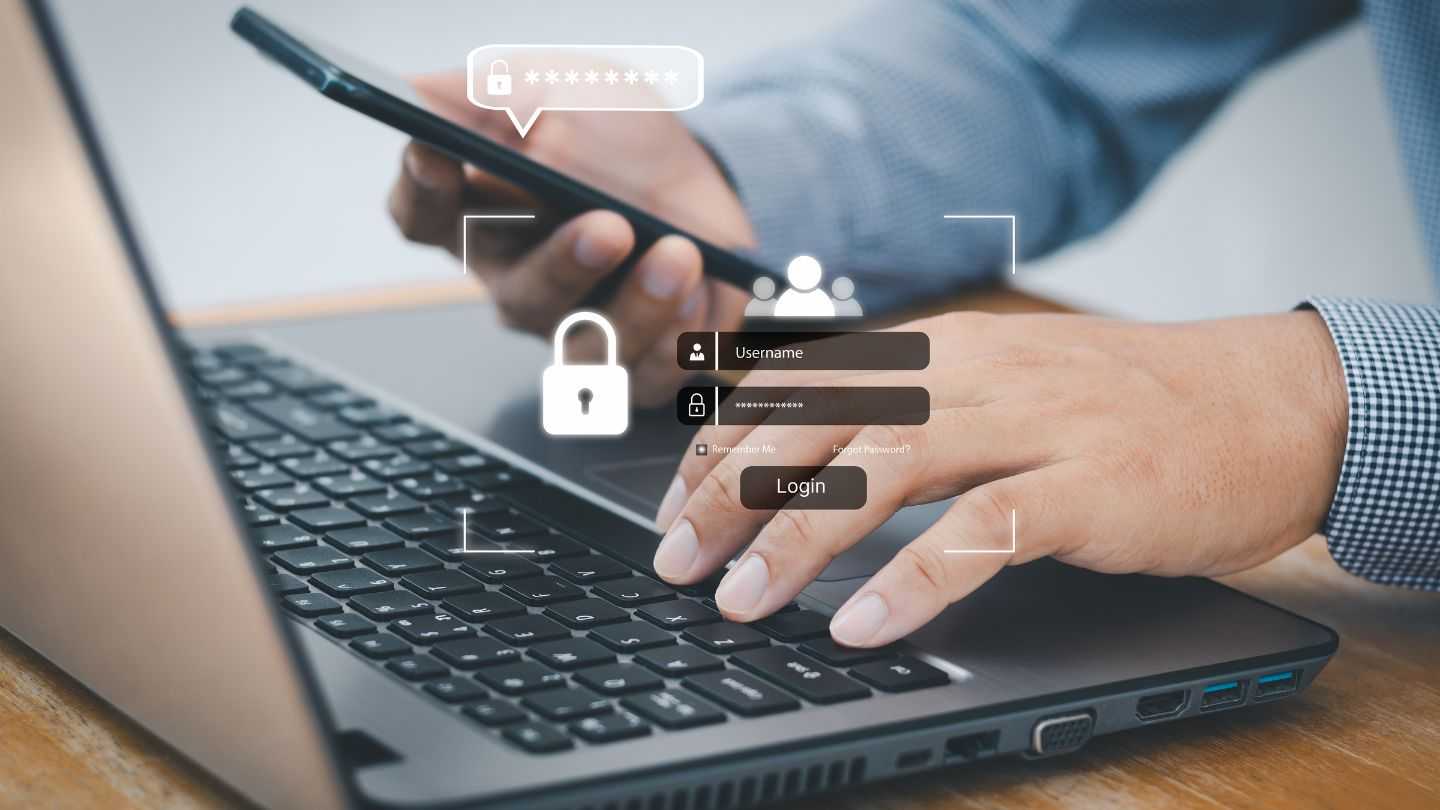
Multi-factor authentication (MFA) is vital for securing business accounts and sensitive information. MFA requires users to provide multiple credentials to verify their identity, adding an extra layer of security. Even if one credential is compromised, unauthorized access is still blocked by the second factor.
Weak password practices among remote workers can lead to unauthorized access and allow individuals to gain access to sensitive information. MFA significantly reduces the risk of hacking, making accounts 99% less likely to be compromised. This additional security layer is crucial for securing remote access to company networks.
Adopting MFA helps businesses protect their systems from cyber threats and enhance their cybersecurity posture. This simple yet effective measure can prevent many security incidents and safeguard valuable data.
Remote Work Challenges
The shift to remote work has increased cybersecurity threats due to reliance on home networks and personal devices. Key points include:
- Unsecured home networks are often more vulnerable than office environments.
- These networks become prime targets for cybercriminals.
- Attacks on remote workers frequently exploit weak home network security.
Without proper security measures, remote work environments can facilitate data breaches through phishing and malware attacks. The lack of direct IT oversight complicates monitoring and securing mobile devices used remotely. Tracking numerous connected devices is challenging, further raising the risk of cyber threats.
To mitigate these risks, businesses should implement robust security measures for remote work, including firewalls, SASE tools, updated devices, and comprehensive cybersecurity training for remote employees. Addressing these challenges helps protect sensitive information and maintain a secure remote work setup.
Secure Access Service Edge (SASE) is a modern cloud-based architecture that combines network security functions—such as secure web gateways, firewall-as-a-service, and zero trust network access—with wide-area networking capabilities. Designed for today’s distributed workforce, SASE delivers security and connectivity from the cloud, ensuring that remote employees can securely access applications and data from anywhere without relying on traditional, perimeter-based models. By enforcing consistent security policies and leveraging identity-driven access, SASE reduces risk, improves performance, and simplifies management, making it an effective solution for organizations embracing remote work and hybrid environments.
Suspicious Activity on Business Network
Network visibility is essential for identifying suspicious or malicious activity. Businesses face challenges in managing complex, ever-changing networks and ensuring proper network access. Detecting and responding to suspicious activity is crucial for preventing data breaches and other security incidents.
Real-time monitoring of network activities is vital for identifying potential cyber threats before they escalate. Using advanced security tools and maintaining a robust cybersecurity strategy helps protect networks from unauthorized access and malicious attacks.
Ensuring network visibility and promptly addressing suspicious activity helps safeguard sensitive business information and maintain a secure incident response plan environment while protecting confidential information and warning signs.
Compliance Requirements
Compliance with cybersecurity regulations like PCI DSS and HIPAA is crucial for safeguarding customer information. HIPAA compliance is mandatory for entities handling personal health information to protect patient privacy. Both PCI and HIPAA require specific security controls for maintaining compliance. Incorporating multi-layered protection principles from Defense in Depth (DiD) in Cybersecurity strengthens compliance frameworks and ensures regulatory standards are consistently upheld.
Organizations processing payment information must adhere to PCI compliance to maintain trust with financial institutions. Fines can be imposed for failing to comply with HIPAA regulations, making compliance a legal requirement.
Adhering to these regulations protects customer information, helps businesses avoid legal penalties, and maintains a strong company’s reputation. Prioritizing compliance demonstrates a commitment to cybersecurity and builds customer trust.
Past Cyber Incidents
Many businesses that fall victim to cyber attacks face severe operational disruptions, including potential business interruption. Cyber incidents result in financial losses and long-lasting damage to reputations. Experiencing a cyber incident often indicates the need to prioritize cybersecurity.
Nearly one in five businesses that experienced a cyberattack filed for bankruptcy or closed. This stark reality underscores the importance of learning from past incidents and strengthening cybersecurity measures.
Reviewing and analyzing past cyber incidents helps businesses identify vulnerabilities and implement effective solutions to prevent future attacks. Prioritizing cybersecurity is essential for protecting operations and ensuring long-term success.
Growth in Online Transactions

The rise in online transactions increases the risk of financial data breaches, necessitating enhanced cybersecurity measures. Hackers have developed e-skimming tactics to steal data from retail websites, leading to suspicious or fraudulent charges on credit cards.
Businesses need to collaborate with banks to ensure reliable payment processes using validated tools and anti-fraud services. Implementing these measures helps protect digital assets and maintain customer trust.
With the surge in online transactions, prioritizing cybersecurity is crucial to safeguarding financial information and preventing potential data breaches.
Strengthening Your Business Against Cyber Threats
Investing in cybersecurity is no longer optional; it’s essential for safeguarding business continuity, data integrity, and customer trust. Recognizing the signs of vulnerability early helps prevent devastating breaches and financial losses. A proactive approach to threat detection, response, and prevention ensures your organization stays resilient in the face of today’s complex cyber risks.
At IntegriCom, we provide comprehensive cyber security services in Atlanta designed to protect your business from evolving threats. Our experts deliver tailored security solutions, continuous monitoring, and strategic guidance to strengthen your defenses. We also offer managed IT services, cloud services, network services, telephony, and cybersecurity consulting to ensure every aspect of your IT environment is secure and optimized for performance. Partner with us to secure your digital infrastructure, minimize risks, and gain peace of mind knowing your organization is protected around the clock.
Frequently Asked Questions
What are the most common indicators that a business needs cybersecurity support?
Frequent data breaches, suspicious network activity, and recurring phishing attempts are clear indicators that your business requires professional cybersecurity intervention. Additionally, if systems are outdated or employees lack cyber awareness training, it’s time to seek expert assistance.
How can outdated software increase cyber risk?
Outdated software often contains unpatched vulnerabilities that hackers exploit to gain unauthorized access. Without regular updates and patch management, your systems become easy targets for malware and ransomware attacks.
How does multi-factor authentication enhance data protection?
Multi-factor authentication adds a second verification step beyond passwords, drastically reducing the chance of unauthorized access. Even if login credentials are compromised, MFA prevents attackers from breaching the system.
What benefits come with outsourcing cybersecurity services?
Outsourcing provides access to specialized expertise, advanced threat detection tools, and continuous monitoring. It helps businesses stay compliant, secure sensitive data, and maintain uninterrupted operations, all while optimizing cost efficiency.